

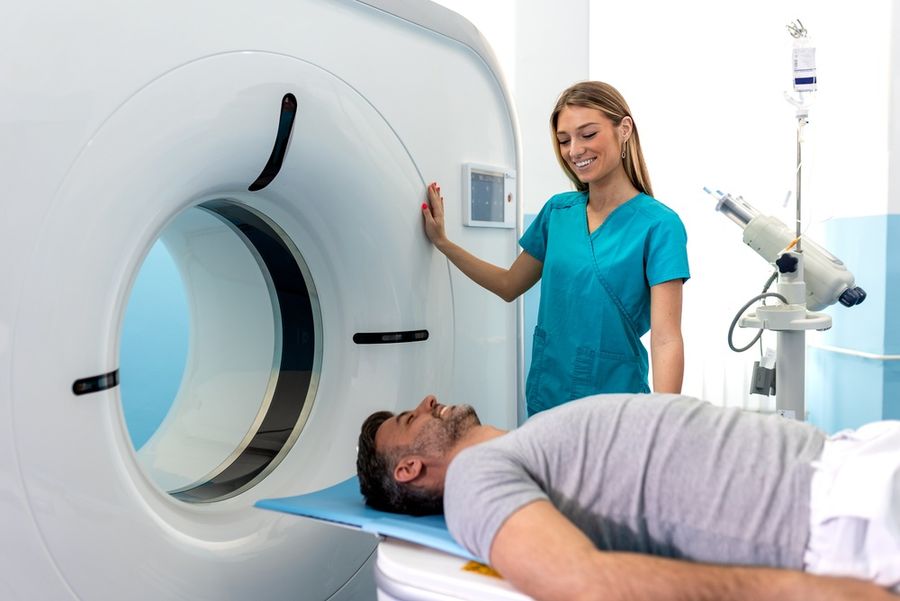
Radiologic technologists play an essential role in modern healthcare, helping doctors diagnose injuries, illnesses, and other medical conditions through diagnostic imaging. Working with advanced equipment such as X-ray machines, they capture detailed images that guide medical decisions and patient treatment. A career in radiologic technology combines technical knowledge with direct patient interaction, making it an appealing option for people interested in healthcare. Becoming a radiologic technologist requires specialized education, clinical training, and professional credentials to ensure safe and accurate imaging procedures.
What Does a Radiologic Technologist Do?
Radiologic technologists are healthcare professionals trained to produce medical images that help physicians diagnose and monitor medical conditions. They commonly perform X-ray examinations, position patients correctly, operate imaging equipment, and follow safety procedures to limit unnecessary radiation exposure. Their responsibilities also include reviewing imaging orders, explaining procedures to patients, and checking image quality before submitting images for interpretation. Although radiologic technologists capture medical images, radiologists are the physicians responsible for interpreting them and making diagnoses.
Radiologic technologists work in hospitals, outpatient imaging centers, physician offices, and specialized medical clinics. The role requires strong attention to detail, technical ability, and communication skills. Because patients may be injured, anxious, or uncomfortable, technologists must also provide reassurance while maintaining professional standards. Depending on their training and credentials, they may eventually work with additional imaging technologies.
Complete the Required Education and Training
Most aspiring radiologic technologists begin by earning an associate degree in radiography or radiologic technology, which typically takes about two years to complete. Some colleges and universities also offer bachelor's degree programs, which generally require four years. Students should look for programs that meet the educational requirements of their intended certification and state licensing pathway. Accreditation by the Joint Review Committee on Education in Radiologic Technology (JRCERT) is one recognized indicator of program quality, although other qualifying accreditation pathways also exist.
Coursework generally includes anatomy, physiology, medical terminology, radiation physics, patient care, and radiographic procedures. Students learn how imaging equipment works and how to produce diagnostic images while protecting patients from unnecessary radiation. Programs also introduce professional ethics, infection control, and healthcare communication, preparing students for both the technical and interpersonal responsibilities of the profession.
Gain Hands-On Experience Through Clinical Training
Classroom education is only part of preparing for a career in radiologic technology. Students must also complete supervised clinical training, typically included in their degree programs. Clinical rotations take place in hospitals, outpatient facilities, or imaging centers, where students work alongside experienced professionals. They practice positioning patients, operating equipment, following radiation safety procedures, and producing diagnostic images under supervision. Training provides opportunities to apply classroom knowledge in actual healthcare settings.
Clinical experience also helps students develop confidence when communicating with patients and working as part of a medical team. They learn to adjust imaging techniques based on patient needs, recognize potential safety concerns, and follow facility procedures. Because radiologic technologists frequently assist individuals experiencing pain or mobility limitations, hands-on training emphasizes patience, adaptability, and maintaining patient comfort throughout imaging examinations.
Earn Professional Certification and Meet Licensing Requirements
After completing an eligible educational program, graduates commonly pursue certification through the American Registry of Radiologic Technologists (ARRT). To qualify for its primary certification pathway in radiography, candidates must meet education, ethics, and examination requirements. The certification exam evaluates knowledge of patient care, radiation protection, image production, and radiographic procedures. Passing the examination demonstrates that candidates have met established professional standards for entry-level radiologic technologists.
Licensing requirements vary by state, so graduates should research the rules where they plan to work. Some states require radiologic technologists to obtain a license, while others have different regulations depending on the imaging procedures performed. Many states recognize ARRT credentials as part of their licensing process. Maintaining certification generally requires ongoing compliance with professional standards, continuing education, and periodic qualification requirements.
Develop the Skills Needed for Radiologic Technology
Successful radiologic technologists need more than an understanding of imaging equipment. Technical precision is essential because positioning errors or incorrect equipment settings can affect image quality and lead to unnecessary repeat examinations. Professionals must understand radiation safety, follow medical instructions, and recognize when adjustments are necessary. Strong organizational skills also help technologists manage patient appointments, maintain accurate records, and work efficiently in busy healthcare environments.
Communication and compassion are equally important. Patients may arrive for imaging procedures feeling nervous, uncomfortable, or uncertain about their health. Radiologic technologists must explain instructions clearly and respond professionally to individual concerns. Physical stamina is another consideration because the job often involves standing for extended periods, moving equipment, and assisting patients with limited mobility. Developing a combination of technical and interpersonal skills supports both patient safety and career success.
Explore Career Advancement and Specialization Opportunities
Once radiologic technologists gain experience, they may choose to pursue additional education and specialized imaging credentials. Common advancement options include computed tomography (CT), magnetic resonance imaging (MRI), mammography, and other medical imaging disciplines. Some specializations require additional clinical experience, structured education, or certification examinations. Professionals interested in expanding their responsibilities should research the eligibility requirements for their preferred specialty before selecting additional training programs.
Experienced technologists may also move into supervisory positions, department management, education, or equipment-related roles. Earning a bachelor's degree in radiologic sciences, healthcare administration, or a related field may support certain advancement opportunities. Others prefer to remain in direct patient care while developing expertise in a particular imaging technique. The profession offers several directions for individuals who want to expand their skills without leaving the healthcare field.
Taking the First Step Toward a Career in Medical Imaging
Becoming a radiologic technologist offers a practical educational pathway into healthcare without requiring medical school. For many students, the journey begins with an associate degree program that combines classroom instruction and supervised clinical experience, followed by certification and any applicable state licensing requirements. Choosing an appropriate program is especially important because educational quality, clinical training opportunities, and certification eligibility can influence future career options.
Radiologic technology can be a rewarding choice for individuals who enjoy science, technology, and helping others. Every imaging examination contributes valuable information to medical teams, supporting accurate diagnoses and treatment decisions. With the right education, credentials, and dedication to patient care, aspiring radiologic technologists can build a meaningful career in an important area of modern medicine.