

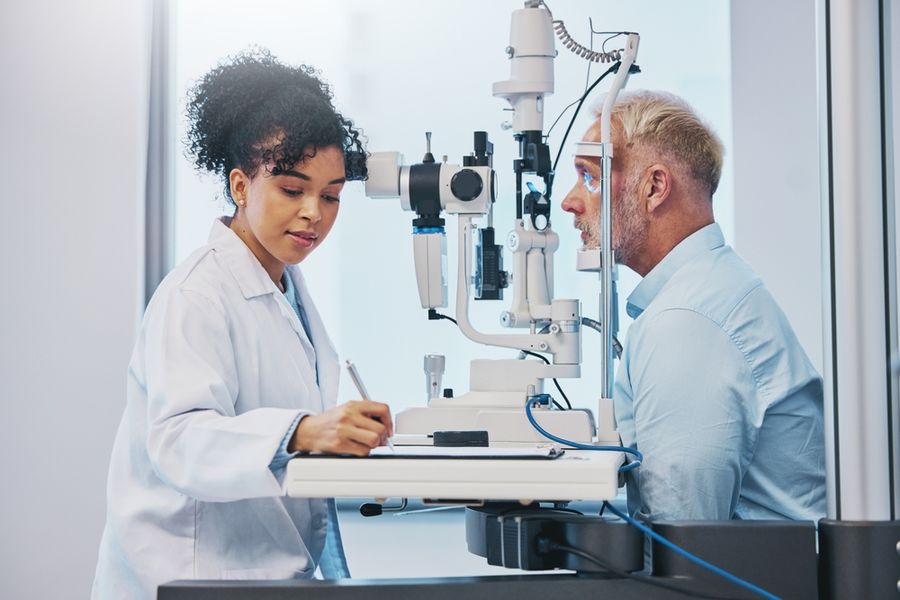
Ophthalmologists specialize in protecting and restoring one of the body's most valuable senses: vision. From diagnosing eye diseases to performing delicate surgical procedures, their work combines medical expertise, advanced technology, and precise clinical skills. A career in ophthalmology offers opportunities to treat patients of all ages while addressing conditions that can significantly affect everyday life. Becoming an ophthalmologist requires extensive education, specialized medical training, and professional licensing, making it one of the more demanding but rewarding career paths in healthcare.
What Does an Ophthalmologist Do?
Ophthalmologists are medical doctors who specialize in diagnosing, treating, and preventing diseases affecting the eyes and visual system. Their responsibilities include performing comprehensive eye examinations, prescribing medications, diagnosing conditions such as glaucoma and cataracts, and performing surgical procedures when necessary. Unlike optometrists, who primarily provide vision care and manage certain eye conditions, ophthalmologists are trained physicians who can perform complex eye surgeries. They may also treat eye injuries, infections, and complications related to conditions such as diabetes.
Ophthalmologists work in hospitals, private practices, outpatient surgical centers, and academic medical institutions. Some provide general eye care, while others specialize in areas such as pediatric ophthalmology, retinal diseases, or corneal disorders. The profession requires strong diagnostic abilities, excellent hand-eye coordination, and careful attention to detail. Communication skills are equally important because patients often need help understanding complex eye conditions and treatment options.
Earn a Bachelor's Degree and Prepare for Medical School
The first educational step toward becoming an ophthalmologist is completing undergraduate studies, typically through a four-year bachelor's degree program. Although many aspiring physicians major in biology, chemistry, or another science-related subject, medical schools generally don't require a specific major. Students must complete prerequisite coursework, which commonly includes biology, chemistry, physics, and mathematics. Maintaining strong grades is particularly important because admission to medical school is competitive.
Undergraduate students should also gain experience in healthcare settings to strengthen their medical school applications. Volunteering at hospitals, shadowing ophthalmologists, participating in research, or working in patient care can provide valuable exposure to medicine. Most applicants must take the Medical College Admission Test (MCAT), which evaluates scientific knowledge and critical thinking abilities. Students interested in ophthalmology can benefit from exploring the specialty early, although choosing a medical specialty isn't required during undergraduate education.
Complete Medical School and Earn an MD or DO
After earning a bachelor's degree and meeting admission requirements, aspiring ophthalmologists must complete medical school. In the United States, medical education typically takes four years and leads to either a Doctor of Medicine (MD) or Doctor of Osteopathic Medicine (DO) degree. Both degrees can prepare graduates to enter ophthalmology residency programs. During the first portion of medical school, students study anatomy, physiology, pharmacology, pathology, and other subjects that establish a foundation in human health and disease.
The later years emphasize supervised clinical rotations in specialties such as internal medicine, surgery, pediatrics, and emergency medicine. Students interested in ophthalmology may pursue elective rotations, research projects, or mentorship opportunities within the field. Such experiences can help them understand the specialty and prepare for competitive residency applications. Medical school also develops essential skills in patient assessment, clinical decision-making, professional ethics, and communication.
Complete an Ophthalmology Residency Program
After medical school, graduates must complete specialized residency training in ophthalmology. In the United States, the standard pathway includes four years of postgraduate training, beginning with an integrated or qualifying clinical year followed by three years of ophthalmology-focused education. Residency positions are competitive, so applicants benefit from strong academic records, clinical experience, research involvement, and recommendations from medical professionals. Residents receive supervised training while gradually assuming greater responsibility for patient care.
Ophthalmology residency programs teach physicians how to diagnose eye diseases, interpret diagnostic tests, and perform surgical procedures. Residents gain experience treating conditions such as cataracts, glaucoma, retinal disorders, and eye injuries. Surgical training is particularly important because ophthalmologists must develop precision and confidence when performing delicate operations. Throughout residency, physicians also strengthen their clinical judgment and learn to manage patients with complex medical needs.
Obtain Medical Licensure and Consider Board Certification
To practice medicine independently, ophthalmologists must obtain a medical license in the state where they intend to work. Licensing generally requires graduating from an approved medical school, completing the necessary postgraduate training, and passing the appropriate medical licensing examinations. MD graduates commonly take the United States Medical Licensing Examination (USMLE), while DO graduates typically take the Comprehensive Osteopathic Medical Licensing Examination (COMLEX-USA). Additional requirements vary by state and may include background checks and documentation of professional training.
Ophthalmologists can also pursue board certification through the American Board of Ophthalmology. Certification requires meeting eligibility standards and passing written and oral examinations that assess medical knowledge and clinical judgment. Although board certification is separate from state licensure, it demonstrates professional expertise and may be preferred by employers. Physicians must also complete ongoing educational and professional requirements to maintain their credentials and stay current with advancements in eye care.
Explore Specializations and Career Opportunities
After completing residency, ophthalmologists can begin practicing general ophthalmology or pursue additional fellowship training. Fellowships typically last one or two years, depending on the specialty, and provide advanced clinical and surgical experience. Popular subspecialties include retina and vitreous diseases, glaucoma, corneal diseases, pediatric ophthalmology, and oculoplastic surgery. Additional training allows physicians to focus on complex conditions, specialized procedures, or particular patient populations.
Career opportunities extend beyond traditional medical practices. Ophthalmologists may work in hospitals, academic medical centers, specialized eye clinics, or private practices. Some pursue careers in medical research, helping develop new treatments and surgical techniques. Others teach medical students and residents or participate in public health initiatives aimed at preventing vision loss. The ability to combine patient care, surgery, research, and education makes ophthalmology an appealing specialty for physicians with diverse professional interests.
Building a Career Dedicated to Protecting Vision
Becoming an ophthalmologist requires approximately 12 years of education and postgraduate training after high school. The traditional pathway includes four years of undergraduate education, four years of medical school, and four years of residency training. Additional fellowship education may extend the timeline for physicians interested in subspecialties. Although the process is lengthy and academically demanding, each stage prepares future ophthalmologists to provide comprehensive medical and surgical eye care.
For individuals who enjoy science, medicine, and precise technical work, ophthalmology offers a fulfilling career with opportunities to improve patients' quality of life. Helping someone preserve their eyesight, recover from an eye injury, or regain clearer vision after surgery can be especially rewarding. With dedication, strong clinical training, and a commitment to continued learning, aspiring ophthalmologists can build meaningful careers focused on protecting one of the body's most important senses.